Well-type prisons are on the agenda with rights violations: Prisoners talk to themselves
Original of the news: Well-type prisons are on the agenda with rights violations: Prisoners talk to themselves – 9.Köy (online magazine, translated 9th village)
The article contains an interview with Seda Şaraldı, a lawyer from the Istanbul Bar Association Human Rights Centre, regarding the Çorlu Karatepe High Security Prison Report published on 12 September, following their investigations in the prison. Further, former prisoner Okan Danacci, who remained around 5 months at Sincan High Security Prison No 2, reported about his experiences there.
From Müberra Ünsal
Well-type prisons are the subject of debate with human rights violations. Speaking to the 9. Köy, Okan Danacı said that he stayed in the cell alone for 22 hours and that contact with humans was minimal. Lawyer Seda Şaraldı said, “Prisoners in pit-type prisons are exposed to various things, from joint pain to mental illnesses.”
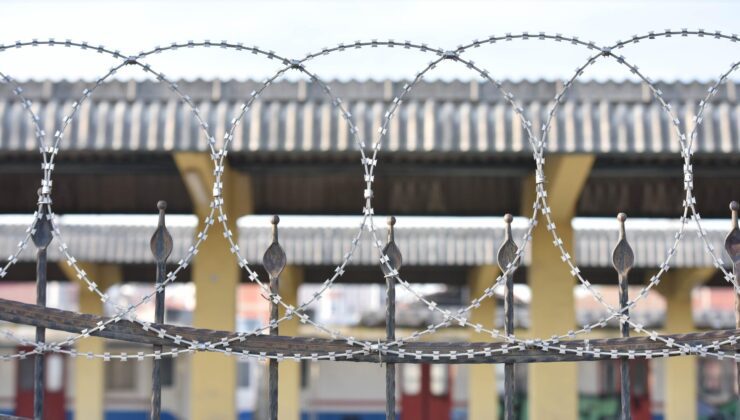
Karatepe High Security Prison in Çorlu district of Tekirdağ is one of the prisons known as “pit-type prison” in the public. In these prisons, which take their name from their architectural structure, prisoners spend most of the day alone, in windowless concrete rooms. Prisoners and human rights defenders say that well-type prisons threaten both the physical and mental health of prisoners, and that some prisoners have started to talk to themselves.
…
“Alone in the cell for 22 hours”
Danacı explained that he was confined to a solitary cell for 22 hours a day, only being allowed out for two hours of fresh air in the prison yard each day. He stated that the cell had no direct access to the prison yard and that sunlight barely penetrated it. Danacı said that human interaction was minimal, explaining that he could only communicate with those in other cells by calling out through the window, and that he could only interact with those in his own corridor when they came out into the prison yard. In high-security prisons, inmates’ cell doors open and close automatically. This poses a risk in the event of a natural disaster or a health emergency requiring urgent intervention. Danacı described his experiences in prison as follows:
“To put it briefly, you don’t have the chance to contact other prisoners, even with the guards, your encounters are very limited. This is a separate form of social isolation and deprivation. This system aims to create a feeling of ‘I’ve been forgotten, I’ve been left behind’ and is designed entirely to isolate the individual. These prisons have been developed as centers of breaking the will and should be closed. Places and conditions that harm human dignity must be ended. This issue, which is becoming everyone’s problem day by day, can only bring results if it is handled at the level of responsibility of all of us.”
Pit-type report from the Istanbul Bar Association:
There are detainees who have started hunger strikes
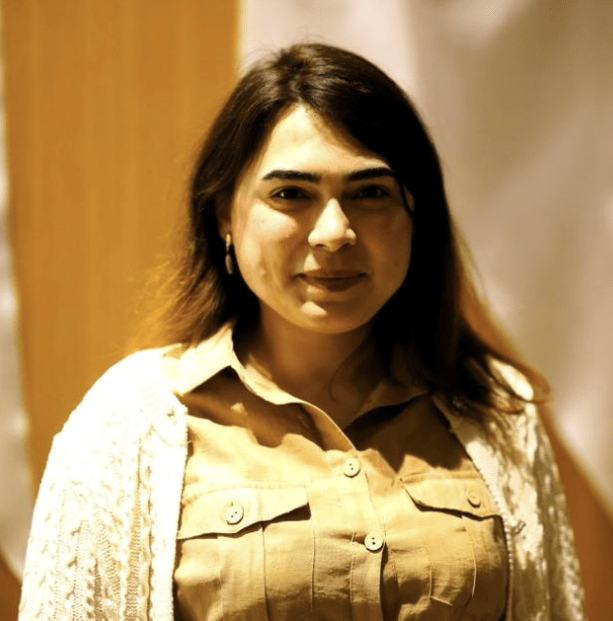
Seda Şaraldı, a lawyer from the Istanbul Bar Association Human Rights Centre, responded to questions from 9. Köy regarding the Çorlu Karatepe High Security Prison Report published on 12 September, following their investigations in the prison.
Seda Şaraldı stated that they met with five detainees in Çorlu who differed in terms of length of detention, age and physical characteristics. She said that although it was difficult to assess their physical health at first glance from the lawyer’s booth, the detainees, who were forced to spend 22.5 hours in their cells, suffered from severe joint pain. Şaraldı noted that the lack of movement caused by being confined to a small space for extended periods led to problems, adding that the lack of air in the cells caused constant drowsiness and lethargy.
Some of the detainees have been on hunger strike for some time to protest against the dungeon-like prisons. Lawyer Seda Şaraldı stated that Fikret Akar, one of the detainees on hunger strike, has visibly lost weight and is still continuing the strike.
Some say, ‘At least we can have a chat with the devil.’
Seda Şaraldı provided the following information about prison conditions, based on accounts from prisoners who stated that the conditions of confinement were psychologically challenging: “They said that another prisoner, who was held alone, began talking to himself at night and cutting his nails. They relayed that this individual, who believed that cutting one’s nails at night would cause the devil to come, said that they conversed with the devil. We determined that, in this state, the conditions of confinement had a negative impact on physical and mental health.”
Seda Şaraldı provided the following information about prison conditions, based on accounts from prisoners who stated that the conditions of confinement were psychologically challenging: “They said that another prisoner, who was held alone, began talking to himself at night and cutting his nails. They relayed that this individual, who believed that cutting one’s nails at night would cause the devil to come, said, “We converse with the devil.” We determined that the conditions of confinement have a negative impact on physical and mental health.”
Şaraldı stated that applications made to the ministry by prisoners regarding prison conditions had been left unanswered, adding that no response had been received to applications made under the Freedom of Information Act. Lawyer Şaraldı also emphasised that they had received no information about any changes in conditions following the visit report.
 INTERNATIONAL SOLIDARITY FOR POLITICAL PRISONERS (IS4PP)
Leave a comment